Muse
By Shivani Mathur
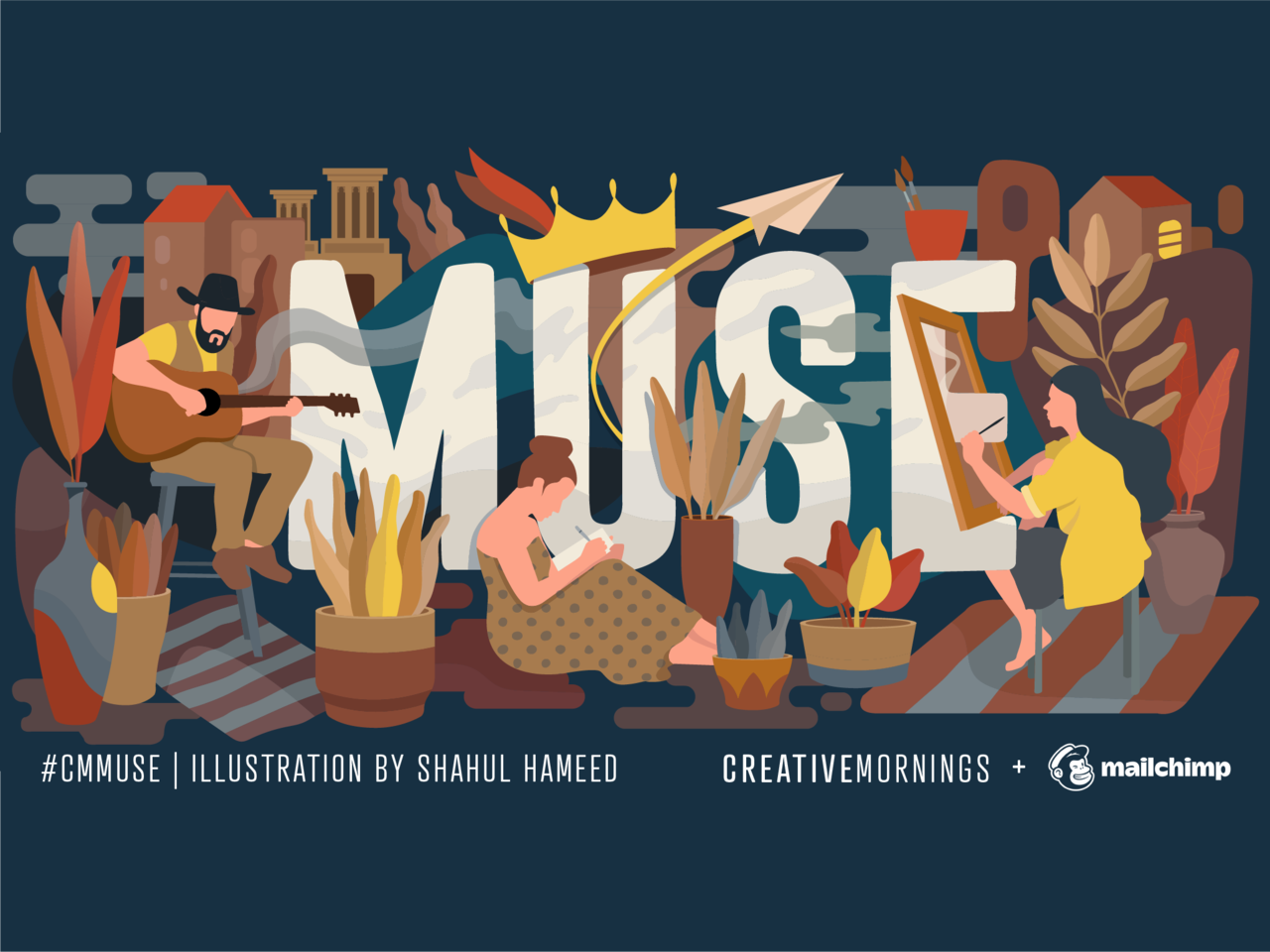
We all inadvertently seek muses. Many of us are muses to others and we don’t even know it.
Muses are powerhouses that source inspiration.
As language and literature developed, poets like John Keats, Robert Frost, and William D. Sargent normalised taking to nature to embellish metaphors and use as a muse.
Some people’s muse is a babbling brook (I’m looking at you, Alfred Lord Tennyson) while the likes of Karl Lagerfeld look to beauties like Kristen Stewart for inspiration for a specific season.
For many, muses change with time. Others fixate on one for eternity, or at least until the end of their own days. Gianni Versace always said that his sister Donatella’s position as his muse will never be time-sensitive, as did Paul McCartney, about his wife Linda.
Muse is a word often used by creatives, but consider this: everyone and everything looks to muses to model after. Very thought-provoking of me, I know.
As dramatic as this parallel may sound, the societal hierarchy in colleges is literally modeled after the glorious food chain (subtle reminder to do your part in climate action, the world’s last male white rhino died last year, let this be the alarm you need today to plant a tree or recycle).
While Gen Z is changing the traditionally one-dimensional nature of these tropes, this is how the structure has almost always been.
At the risk of offending someone who identifies as one of these trope-y categories:
Right on top, the apexes: jocks and dancers are the prideful, majestic lions while the merit-list preppies operate as sharks
debate club nerds are the fiercely independent black bears that progress with autonomy autonomy of thought, and often, autonomy of action
wallflowers are the worms in soil that enable others’ stories as well their own but are seldom noticed
drama club stars stand out like peacocks with their theatricality and showmanship
musicians are the wolves that choose comradery to stay on top
Educators are the plants in this analogy – they hold classifications within themselves and you may find some of them deadly, but they’re there to support the institution and prevent anarchy.
Given the amount of pressure put on earning a worthwhile college legacy, university isn’t just about survival, it’s about the hunt for opportunities too, and speculators are constantly observing just how astutely you seek and grasp these opportunities.
Every system and ideology has a muse.
Or maybe this is all just me, I’ve recently graduated from university and may just be suffering withdrawal symptoms of classrooms and hallways, plus I watch too many nature documentaries.
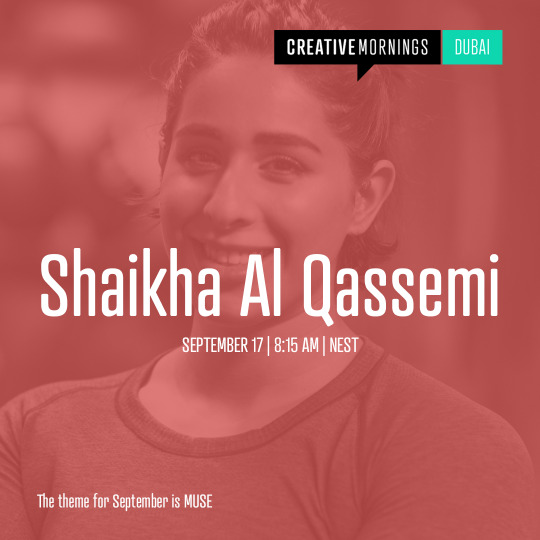
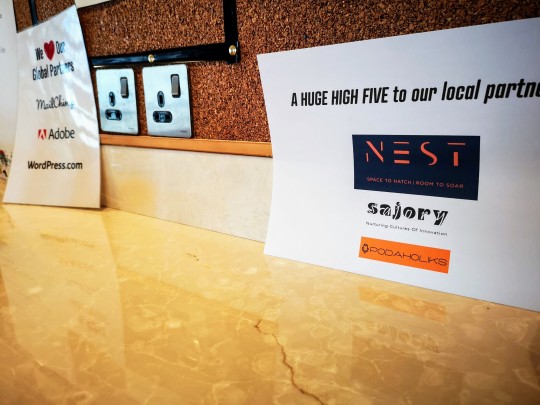
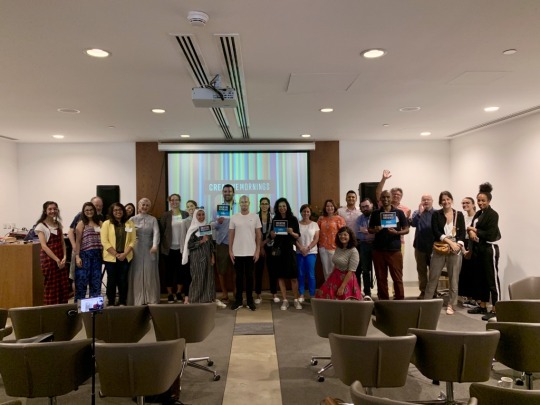
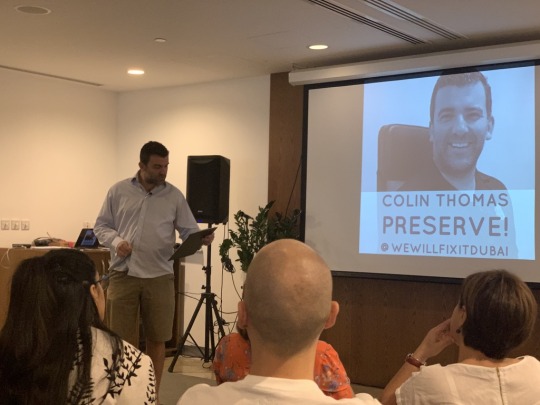
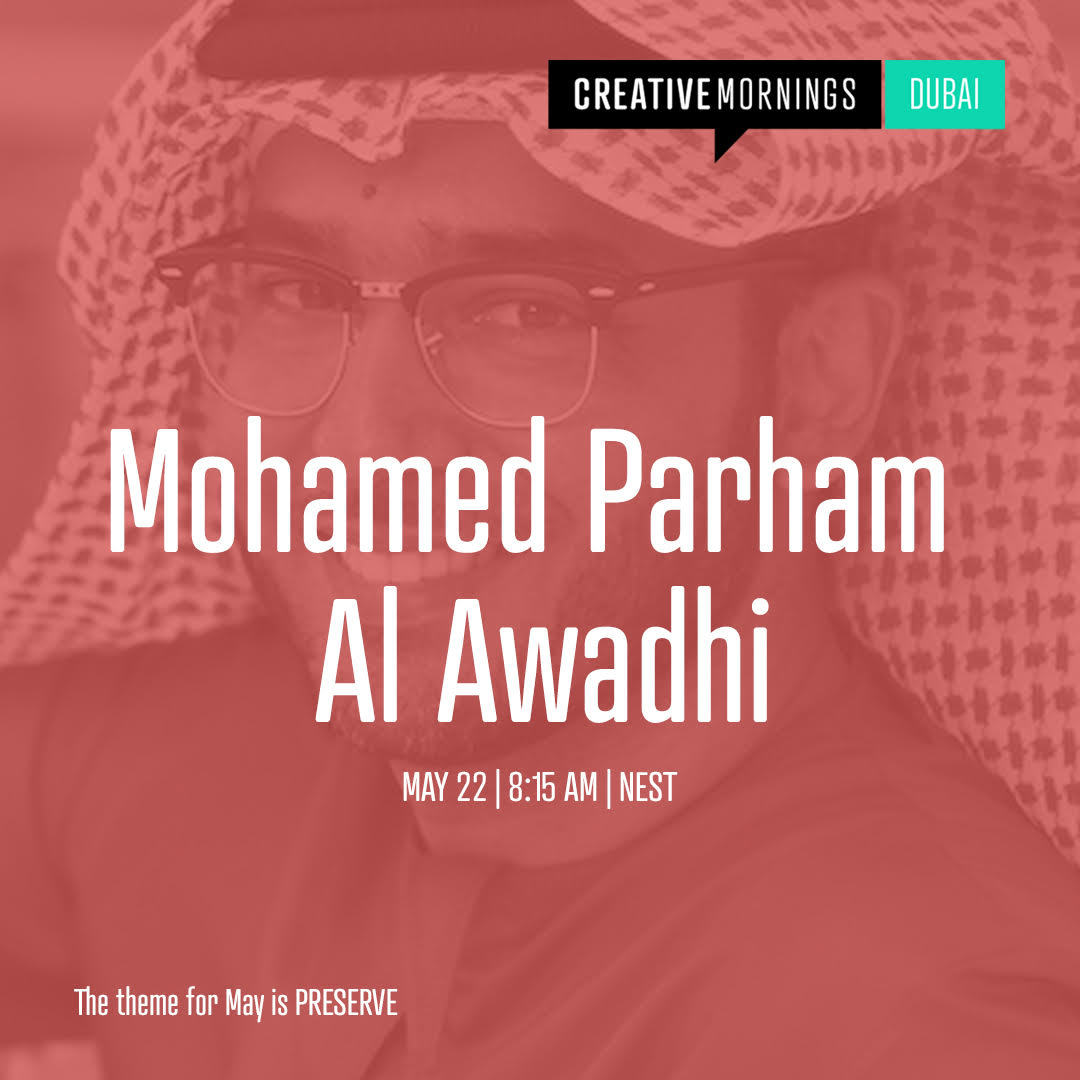
To see what the founder of Shaikha Al Qassemi’s muse is, attend the upcoming installment of Creative Mornings on September 17th at the NEST.
Stream Creative Mornings Dubai’s custom made playlist for this month, here.