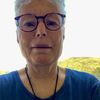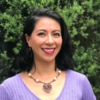
Jolie Davis, (Ngāti Kurī/Te Rarawa), Rongoā Māori practitioner and Kaimirimiri (traditional bodyworker)
About the speaker
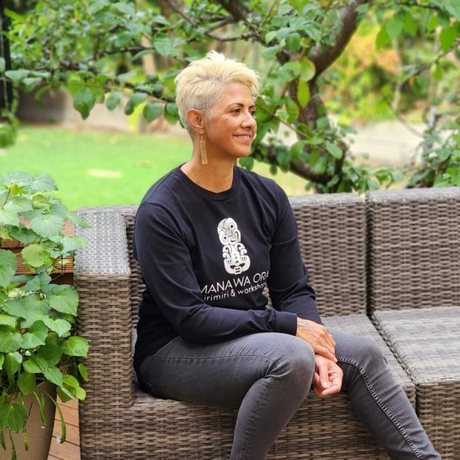
Jolie Davis, (Ngāti Kurī/Te Rarawa), Rongoā Māori practitioner and Kaimirimiri (traditional bodyworker). Founder of Manawa Ora Mirimiri; providing traditional Māori healing and bodywork at Lower Hutt permanent clinic. Manawa Ora also facilitates workshops, Community Clinic Days, staff wellbeing programs, and education and training to raise awareness and normalise traditional healing and practices.
Jolie grew up in a Far North coastal community where Rongoā Māori was a part of everyday life but she has seen the decline in recent years due to modern lifestyle, an increasing dependence on mainstream healthcare and disconnection from traditional knowledge and practices. This disconnection has also impacted on the wellbeing of Māori. She believes connecting back to Rongoā Māori is crucial to achieving wellbeing for individuals, whānau and community.
Mirimiri and romiromi is traditional bodywork and healing. It is also a philosophy and a way of life. The practice is thousands of years old. Indigenous cultures all have their own healing systems, sadly many of which have been diminished or lost completely due mainly to the impact of colonisation. Like Te Reo and Taa Moko, Rongoā Māori is in Jolie's opinion the 'missing link', the last aspect of our culture to be brought back from the brink and is now experiencing a revitalisation.
The word Mirimiri can be broadly translated as 'the manipulation of spiritual energy' and refers to working the body in specific ways to release stress, heal trauma and rebalance the systems of the body. The practice is truly holistic as it addresses the spiritual aspect of the human person as well as the physical, emotional and mental. The main difference from western modalities is that kaimirimiri have an intuitive way of working rather than overthinking what needs to be done. There is no 'one size fits all' approach.
The Manawa Ora clinic currently treats 100-120 people weekly with 4 full time and 6 part time kaimahi. We are more than just a clinic - we are whānau (family) and people feel that they are supported and cared for when they walk through the door. One of the main differences is that our space is a collective one, there is no one-on-one treatment. Working in this way is not only safer (to us) but reinforces our philosophy that we all support one another through the healing process.
Jolie's work often involves educating and correcting the assumption that mirimiri is merely massage. Misconceptions like these in her opinion only serve to diminish the mana of Rongoā Māori.
Jolie trained and practiced as a nurse (NDHB) but came to the realisation that mainstream healthcare was failing Māori (and still is) as disparities grow despite advances in technology and medications Māori continue to be over represented in health statistics. She decided to return to her traditional roots about 10 years ago and open her healing practice. In the last 2 years Jolie has seen interest and demand for Rongoā Māori grow as people become increasingly disillusioned with the medical model and seeking more holistic solutions for wellbeing. Practitioners are establishing themselves through sustainable practice - so it is a wonderful opportunity we now have ahead of us. How we maintain the integrity of Rongoā Māori and navigate the journey ahead is what we are now faced with.
Mirimiri is the wind moving through the trees
the waves crashing on the shore
the tears of Rangi falling on Papa
the cry of a new-born baby.
Mirimiri is life!
Hohepa Delamare, (Tohunga Ahurewa)
Te Whānau-ā-Apanui
Favorite quotes from this talk

Hosted by
two/fiftyseven
2/57 Willis Street
Wellington, New Zealand 6011
Date